
.jpg)
You're a few weeks out from the accident. Your neck is still sore, your back is stiff — those you expected. What you didn't expect is that you're not sleeping well. Your concentration at work has been off. You feel irritable in ways that don't match what's happening in your life. You've had headaches almost every day. Sometimes you feel dizzy when you turn your head quickly.
When you mention these to anyone — your doctor, your insurance adjuster, even your family — the response is some version of: it's probably just stress from the accident. Give it time.
This explanation is both understandable and significantly incomplete. What you're experiencing may have a precise neurological explanation that has nothing to do with psychological stress — and everything to do with what happened to your nervous system in the collision.
The Nervous System Is Not Just a Bystander
In the medical and insurance conversation about car accident injuries, the focus is almost entirely on the musculoskeletal system — the muscles, ligaments, discs, and joints. The nervous system — specifically the autonomic nervous system and the upper cervical neurological structures — is largely ignored, which is unfortunate because it's often the most significantly affected and the most important determinant of how fully someone recovers.
The autonomic nervous system is the involuntary control system that regulates your heart rate, blood pressure, digestion, sleep cycles, immune function, stress response, and more. The central hub of this system — the brainstem and the upper cervical cord — passes directly through the area most affected by whiplash-type injuries: the upper cervical spine from C1 through C3.
When the upper cervical spine is subjected to the rapid, unprotected forces of a collision, the mechanical stress on the brainstem and surrounding neurological structures is real, measurable, and consequential. The symptoms that result don't look like the "whiplash" most people picture. They look like:
The Symptoms That Get Attributed to Stress
Headaches — particularly tension-type headaches that start at the base of the skull and radiate forward, or headaches that worsen with sustained posture. These are often cervicogenic — driven by the upper cervical joint dysfunction and muscle tension that follows whiplash — not tension from stress.
Dizziness and vertigo — the upper cervical region contains proprioceptors — position-sensing nerve endings — that are critical for balance and spatial orientation. Disruption of these following injury produces dizziness, unsteadiness, and sometimes frank vertigo that can persist for months.
Tinnitus — ringing in the ears following an accident has a documented connection to upper cervical dysfunction. The structures that supply the inner ear pass through the upper cervical region, and disruption there can produce auditory symptoms.
Sleep disruption — the autonomic nervous system governs the transition from sympathetic to parasympathetic states that allows sleep to occur. When the system is disrupted by upper cervical injury, this transition becomes harder, producing the characteristic post-accident insomnia that many patients experience — difficulty falling asleep, waking through the night, or sleep that doesn't feel restorative.
Cognitive symptoms — difficulty concentrating, memory lapses, word-finding problems, and mental fatigue following an accident are sometimes called "post-concussion symptoms" even without a direct head injury. They have a neurological basis in the autonomic and vascular disruption that follows upper cervical injury.
Mood changes and irritability — the autonomic nervous system is deeply involved in emotional regulation. A system stuck in sympathetic dominance — the fight-or-flight state — after an accident produces the irritability, anxiety, and emotional reactivity that accident victims often attribute to the psychological stress of the experience, when the physiology is actually driving the psychology.
Fatigue — a nervous system running in an elevated threat state is energetically expensive. The fatigue that follows is not laziness or depression — it's the physiological consequence of a system working overtime to manage an unresolved state of neurological disruption.
Why This Matters for Your Recovery
If these symptoms are neurological consequences of the accident rather than stress reactions, they have specific implications for your care and your claim.
They need to be documented. Every symptom you're experiencing — including the ones that don't seem like "accident injuries" — belongs in your clinical record. Headaches, dizziness, sleep disruption, cognitive symptoms, mood changes — these are clinically recognized consequences of whiplash-associated disorders with documented neurological mechanisms. They affect your quality of life, your ability to work, and your daily function. They belong in the medical record that supports your claim.
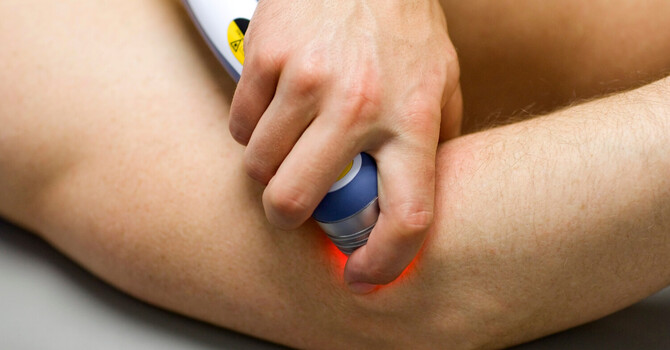
They respond to the right treatment. The nervous system-focused approach at Breathe specifically addresses the upper cervical dysfunction that drives many of these symptoms. Gentle chiropractic adjustments to the upper cervical spine restore the joint mechanics that are producing the neurological disruption. Cold laser therapy supports nerve healing and reduces the autonomic dysregulation. Acupuncture directly influences the autonomic nervous system through vagal pathways, helping restore the parasympathetic dominance that allows sleep, digestion, and cognitive function to normalize.
They will not resolve on their own if the underlying dysfunction is not addressed. A nervous system stuck in sympathetic overdrive after an accident doesn't typically self-correct with time and rest. The compensation patterns become habitual, the central sensitization deepens, and what started as an acute neurological response to injury becomes a chronic state that affects every dimension of daily function.
NET for Post-Accident Nervous System Recovery
One additional tool worth mentioning for post-accident care: Neuro-Emotional Technique (NET).
An accident is a threat event — and your nervous system processes it as one. The physical forces of the collision, the shock of the impact, the fear response in the moments during and after — all of this is registered neurologically in ways that can maintain the body in a stress response long after the physical injuries have healed.
NET identifies the stored stress patterns that the nervous system is holding from the event and uses a specific physical protocol to help release them. For patients who find that their anxiety, sleep disruption, or emotional reactivity has persisted beyond what would be expected from the physical recovery timeline, NET is often the piece that allows the nervous system to finally process the event and return to baseline.
You Deserve the Full Picture
If you're weeks or months out from an accident and experiencing symptoms that haven't been explained or adequately addressed, come in for an assessment. We work with personal injury patients on a lien basis — no out-of-pocket cost during your case — and we approach post-accident care through the full nervous system lens that most providers miss.
The symptoms you're experiencing have a name. They have a mechanism. And they have a treatment path.
Book Personal Injury New Patient Appointment HERE
Call or text: (602) 254-2454
Dr. Carla Freeman, DC | Breathe Chiropractic | 1130 E Missouri Ave Suite 402, Phoenix AZ 85014



.png)
