
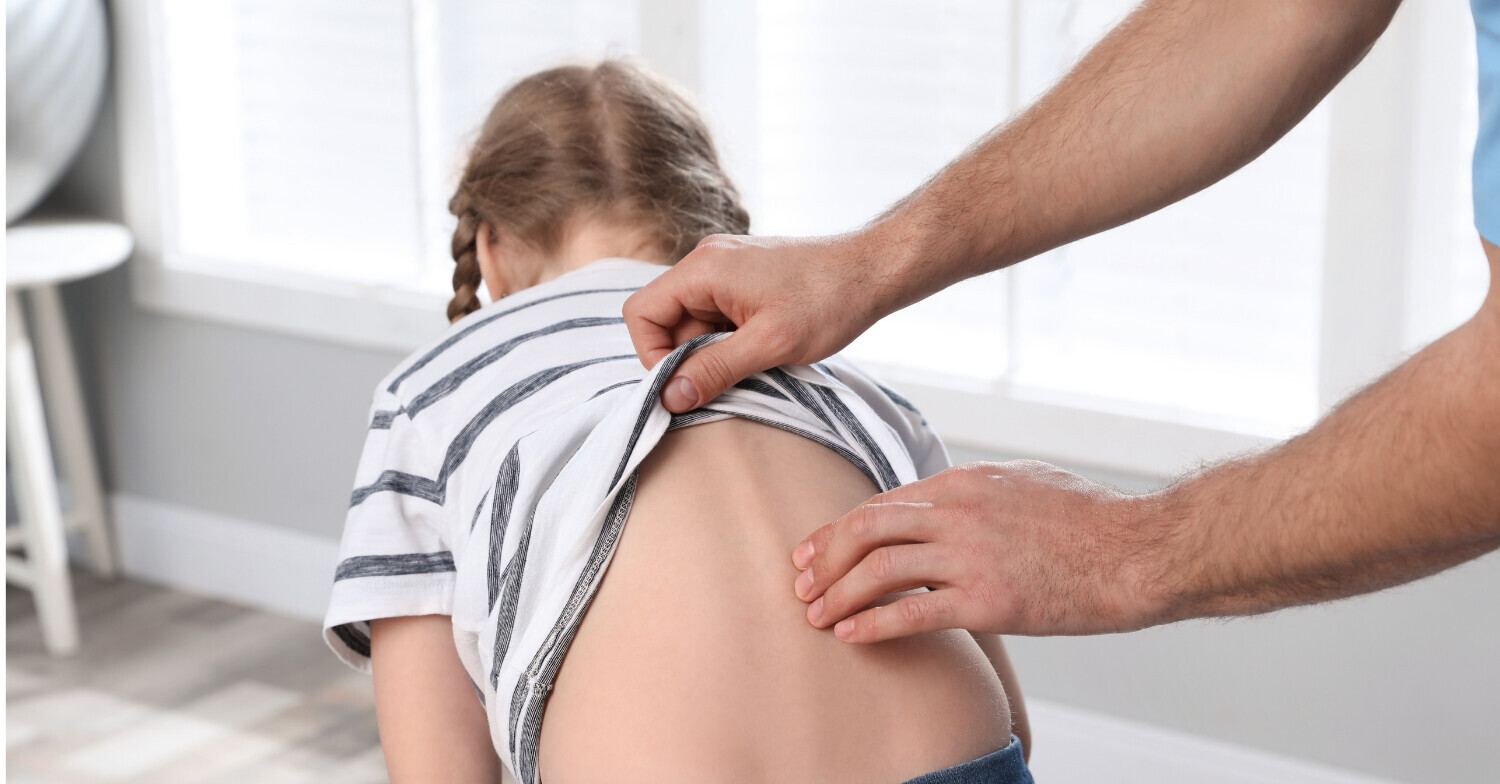
Most parents don't think about their child's spine until something is visibly wrong. The school nurse sends home a scoliosis screening note. The child starts complaining of back pain. The posture that was just "slouching" starts looking more structural. By that point, the pattern has often been developing for months or years.
The physical demands on school-age children's spines are significant and largely unrecognized. Heavy backpacks, hours in desks designed for adults, prolonged screen time that drives forward head posture, intense sports training on developing joints — these are not trivial stressors. And growing bodies that are under sustained structural stress don't always communicate that stress clearly until it's become a meaningful problem.
What Growing Spines Are Actually Managing
A child's spine is not a smaller version of an adult's spine. It's a spine in active development, with growth plates that are more vulnerable to sustained loading than adult bone, with a nervous system that is still organizing its motor patterns, and with the musculature to support the spine that is actively being developed rather than established.
The specific structural challenges of the school-age years include:
Backpack load. Research consistently shows that backpack weights exceeding 10-15% of body weight cause measurable spinal compression and postural compensation — and many school-age children carry significantly more than this. The effect is compounded when the backpack is carried on one shoulder, is positioned too low, or is carried during activities that already demand significant postural effort.
Sustained desk posture. School involves hours of sitting in positions that most adult ergonomics professionals would flag as problematic in a workplace. Forward head posture develops. Thoracic kyphosis (rounding of the upper back) becomes habitual. Lumbar support is inadequate. Children learn to tolerate postural discomfort without identifying it as discomfort — which is efficient in the short term and structurally problematic over years.
Screen time posture. The average school-age child spends significant time in forward-head, rounded-shoulder posture with devices held below eye level. The effect on the cervical spine is well-documented — "tech neck" is no longer an adult problem.
Sports training on developing joints. Early sports specialization combined with intensive training loads places significant repetitive stress on growth plates and joint structures that are not yet fully formed. Overuse injuries in child athletes are common precisely because developing structures have less resilience to repetitive load than adult ones.
What Pediatric Chiropractic Looks Like
Pediatric chiropractic is gentle, age-appropriate, and specifically adapted to the developing spine. The pressure used in adjusting a child is a fraction of what is appropriate for an adult — often no more than the pressure you'd use to check the ripeness of a tomato for younger children. There is no high-velocity manipulation for young children, and all techniques are calibrated to the child's size, age, development stage, and comfort.
At Breathe, pediatric chiropractic care focuses on maintaining the structural alignment and mobility of the developing spine, addressing the postural patterns that accumulate from school demands, and supporting the nervous system function that affects everything from focus and sleep to immune regulation. Many parents notice improvements beyond what they came in for — better sleep, improved focus, reduced frequency of illness — because the nervous system effects of chiropractic care extend well beyond the musculoskeletal.
Scoliosis — What Parents Need to Know
Scoliosis is a lateral curvature of the spine — the spine curves sideways rather than running straight when viewed from the back. Mild scoliosis is relatively common and often produces no symptoms. Moderate to severe scoliosis can cause pain, postural asymmetry, and in significant cases, affect cardiopulmonary function.
The most important thing parents need to know about scoliosis is that early detection matters significantly. Scoliosis that is identified and monitored during the active growth period — when the spine is still developing — offers more management options than scoliosis that has progressed in an unmonitored child and is discovered later.
What to watch for at home:
- One shoulder appearing higher than the other
- One shoulder blade protruding more than the other
- One hip appearing higher or more prominent
- The waistline appearing uneven
- The child's head not centered over the pelvis when viewed from behind
- One side of the back appearing more prominent when the child bends forward (the Adam's forward bend test)
If you notice any of these, a structural assessment is warranted. Chiropractic care has a role in scoliosis management — not as a cure, but as a component of conservative management alongside monitoring, specific exercise rehabilitation, and medical management when indicated. We work alongside orthopedic spine specialists for children with scoliosis requiring multi-disciplinary management.
When to Bring Your Child In
For most families, the right approach is not to wait for symptoms. Annual or semi-annual chiropractic check-ins for school-age children — similar to dental check-ups — allow small postural and structural patterns to be identified and addressed before they become established. This is significantly more efficient than waiting for the point at which the child is in pain, or the structural pattern is visible to the naked eye.
Specific reasons to bring a child in promptly: a scoliosis screening note from school, visible postural asymmetry, complaints of back, neck, or shoulder pain, headaches without obvious cause, or a significant sports injury.
If you'd like to discuss your child's structural health at Breathe Chiropractic in Phoenix, book a consultation or call us at (602) 254-2454.
[Book Pediatric Chiropractic Visit]
Dr. Carla Freeman, DC | Breathe Chiropractic | Phoenix AZ | (602) 254-2454


.png)
