
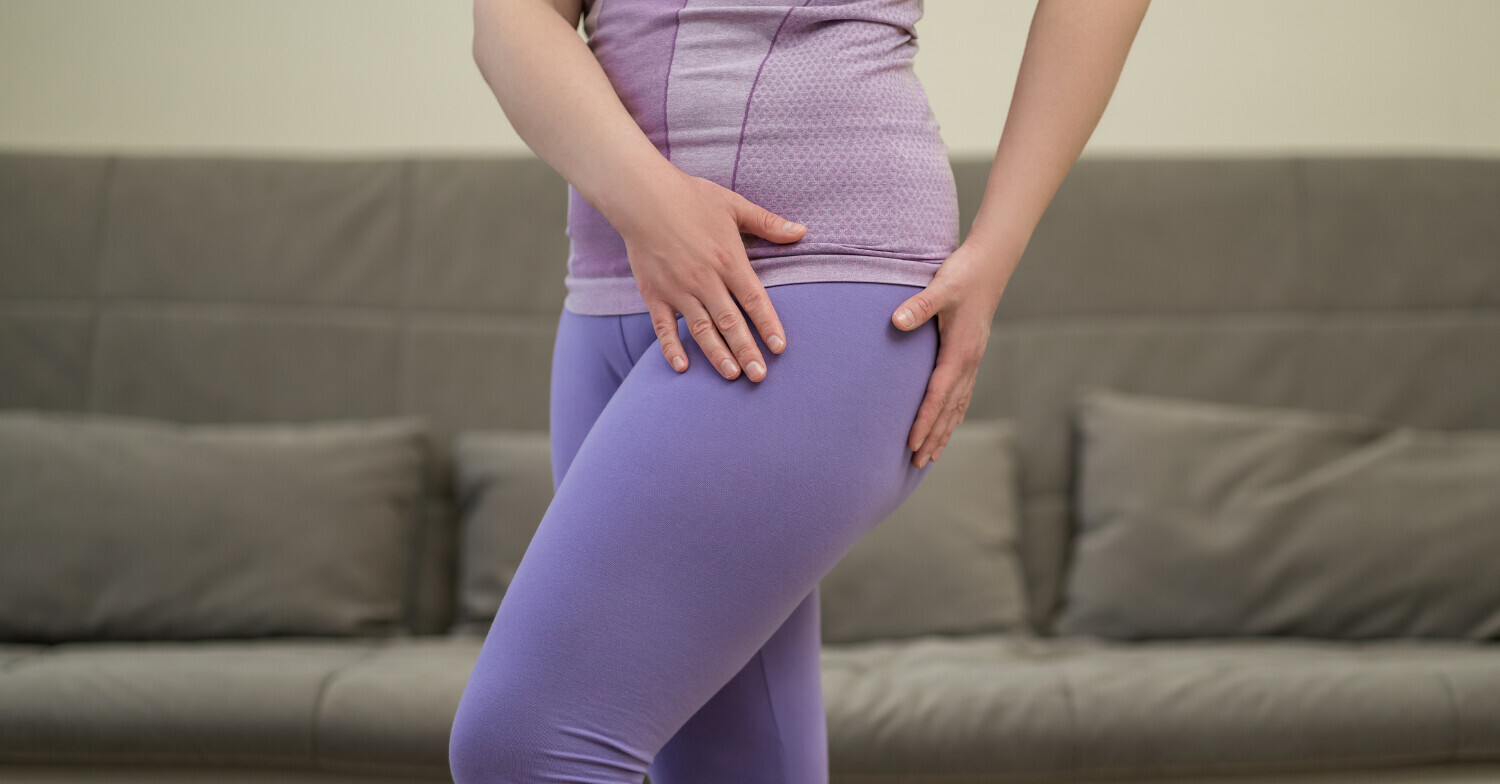
Core rehabilitation has a reputation for being straightforward. Strengthen the core, resolve the back pain. The exercises are well-known, the logic seems clear, and the programs are everywhere — in physiotherapy clinics, in yoga studios, in fitness apps, on YouTube.
And yet back pain remains one of the most persistent and recurring conditions in clinical practice, despite widespread awareness of and access to core training resources. Patients do the work. They're consistent. They see temporary improvement. And then the back pain returns — sometimes from a significant load, sometimes from nothing at all.
The problem is not that core training doesn't work. It's that most core programs are built backward — starting with the visible, load-bearing outer layer while ignoring the foundational inner layers that determine how well the outer layer can function.
At Breathe, we approach core stability from the inside out. Here's the complete framework — the four layers we assess and address in sequence, and why the sequence matters as much as the content.
Layer 1: Joint Mechanics
Before any core rehabilitation makes sense, the spinal joints need to be moving correctly. This is the layer that most core programs skip entirely — because it requires clinical assessment rather than exercise prescription, and because joint restriction often doesn't produce significant pain in the moment even when it's profoundly affecting the neuromuscular system around it.
Spinal joint restriction generates abnormal sensory input from the joint's mechanoreceptors — the sensory nerve endings that report to the brain about joint position, movement, and load. This abnormal sensory input directly inhibits the deep stabilizers at the same spinal levels through a well-documented neurological mechanism. The transverse abdominis and multifidus are among the most sensitive muscles to this inhibition — they are reliably suppressed by spinal joint dysfunction and reliably restored by its correction.
This means that attempting to rehabilitate the deep core stabilizers on top of unaddressed spinal joint dysfunction is fighting against an active neurological suppression signal. The exercises are correct. The sequencing is wrong. And the limited results that follow — improvement during sessions that doesn't hold, exercises that seem to activate the right muscles in the clinic but not during daily life — are a predictable consequence of addressing Layer 2 without Layer 1.
At Breathe, gentle chiropractic adjustments (breathechiro.com/services/gentle-chiropractic) address Layer 1. Not as a standalone intervention, but as the necessary foundation for everything above it. The adjustment restores joint movement, restores accurate mechanoreceptor input, and creates the neurological environment in which the deep stabilizers can be effectively re-engaged.
Layer 2: Inner Unit Activation
With the joint mechanics restored, the inner unit — the deep core canister — can be effectively addressed. The inner unit consists of the four structures that create the pressurized stability system the spine depends on: the diaphragm (roof), the pelvic floor (floor), the transverse abdominis (front and sides), and the multifidus (back).
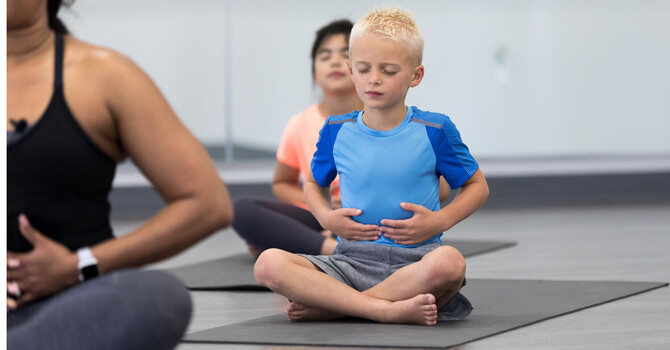
The sequence of inner unit rehabilitation at this layer: diaphragmatic breathing first, since the diaphragm initiates the pressurization of the core canister on every breath — without correct diaphragmatic function, the intra-abdominal pressure that drives the activation of the transverse abdominis and pelvic floor is not generated. Transverse abdominis isolation second — once diaphragmatic breathing is established, learning to find and engage the transverse abdominis without recruitment of the superficial abdominals, a subtle activation that most patients have difficulty locating initially because the muscle has been neurologically suppressed. Multifidus reactivation third — specific isometric exercises targeting the multifidus at the lumbar levels where inhibition is most significant, low load, high neurological precision, progressed slowly as reliable activation is established. Pelvic floor integration fourth — coordinating pelvic floor activation with the respiratory cycle and with the above stabilization exercises, ensuring the floor of the canister is contributing to the pressurization system rather than passively accepting the load.
This layer is not fast. It requires more neurological precision and more patience than the outer-layer exercises that most programs prioritize. But it is the layer that determines whether the outer layer has a stable base to work from.
Layer 3: Hip Complex Integration
With the inner unit functioning, the hip stabilizers are added to the picture — because they determine the quality of the base the inner unit is stabilizing from. A well-functioning inner unit operating on top of inadequate hip stabilization is doing its job correctly while the platform it's stabilizing continues to be loaded asymmetrically.
Hip complex rehabilitation at this layer includes gluteus medius strengthening in functional single-leg patterns, hip external rotator retraining in the positions that replicate movement demands, hip flexor mobility work to address the anterior pelvic tilt that loaded psoas creates, and gluteal activation sequencing that ensures the gluteus maximus is functioning as the primary hip extensor during hinge and loading patterns.
The neurological connection between the lumbar spine and the hip stabilizers — described in the hip and back pain post in this series — means that the joint mechanics work from Layer 1 directly supports hip stabilizer recovery at this layer. Patients consistently find that hip stabilizer exercises are more accessible and produce more durable activation after chiropractic care has addressed the lumbar and sacral joint restriction inhibiting them.
Layer 4: Nervous System Regulation
This is the layer that makes the entire framework Breathe's own — and the layer that most core rehabilitation frameworks don't explicitly include.
The deep stabilizers of the core — the inner unit — are among the most sensitive muscles in the body to the autonomic nervous system state. Chronic sympathetic activation (the physiological signature of sustained stress) inhibits the deep stabilizers and drives the compensation pattern of superficial bracing that undermines everything the inner layers of this framework are building.
A patient can do all of the above correctly and consistently, and if the nervous system is running a sustained threat response, the deep stabilizers will be partially suppressed, the breathing pattern will revert toward thoracic, and the results will be slower and less durable than the same program in a person with better nervous system regulation.
This is where the full integration of care at Breathe produces results that isolated core rehabilitation does not. Acupuncture supports the parasympathetic nervous system shift that allows the diaphragmatic breathing pattern to be the default. Neuro-Emotional Technique (breathechiro.com/neuro-emotional-technique-net) addresses the stored stress patterns that maintain the sympathetic dominance driving deep stabilizer inhibition. And the chiropractic care that addresses joint mechanics simultaneously sends the neurological signal of safety that the nervous system needs to release its protective guarding.
When your body stops treating every day like an emergency, the deep stabilization system has the neurological resources to function the way it was designed to — without the chronic superficial bracing that characterizes a body under sustained threat.
What to Expect When This Framework Is Applied
The first change most patients notice is in their breathing — before pain levels change meaningfully, many notice they're breathing more easily, more deeply, and with less effort. The second change is often in sleep and recovery — the autonomic shift the framework supports often produces improved sleep quality before the physical changes become obvious. The third change is in movement efficiency — activities that were effortful start to feel easier, not because of increased strength but because the compensatory overwork of the superficial musculature has reduced as the deep stabilizers come back online. Pain changes tend to follow — not always dramatically or immediately, but as the deep stabilization system does its job of protecting the spinal structures that were generating pain, the pain pattern becomes less frequent, less severe, and eventually less defining.
This is a slower process than patients want and faster than most have experienced with other approaches. The inside-out sequence is the reason.
If you'd like to work through this framework with clinical guidance, book a first visit at Breathe Chiropractic in Phoenix and let's assess where in the sequence your system needs the most support.
Dr. Carla Freeman, DC | Breathe Chiropractic | Phoenix AZ | (602) 254-2454


.jpg)
.png)
